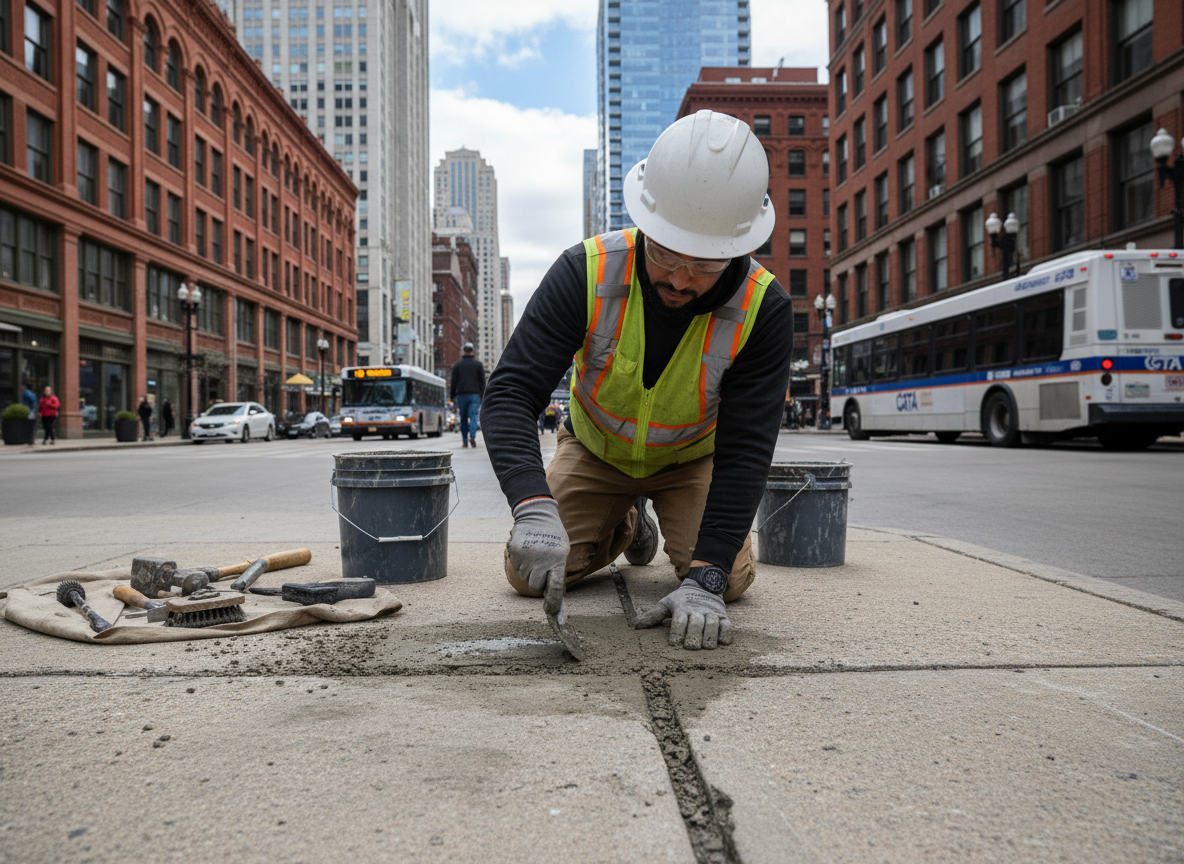
Lakeview homes sit on narrow lots between Addison and Irving Park, many built before 1920 with brick foundations and galvanized lines that corrode over decades. When a supply line bursts in a three-flat on Southport or a roof leak hits a condo near Belmont Harbor, water travels fast through shared walls and into lower units. Crews stage equipment on the street because alleys are often too tight for large trucks, then run hoses through side doors or basement windows to reach the affected units without blocking traffic on busy corridors.
Winter freeze-thaw cycles along Lake Michigan hit Lakeview hard. Cold air moving off the lake freezes pipes in unheated porches and crawl spaces, then sudden thaws send water through ceilings on the first floor. Summer storms push water up from overloaded catch basins on streets like Diversey and Clark, flooding basements in low spots east of the el tracks. Restoration teams extract standing water first, then focus on drying the plaster and joists that retain moisture longer in these older structures.
Response routes from the shop avoid peak-hour congestion on Lake Shore Drive by using side streets through West Lakeview. That timing matters when a kitchen flood on a Saturday morning threatens to reach the unit below before extraction starts.
Around Lakeview
We regularly work near:
- 📍Wrigley Field
- 📍Lincoln Park
- 📍Belmont Harbor
- 📍Southport Avenue
- 📍Diversey Parkway
- 📍Lake Shore Drive
Water Damage Restoration in Lakeview — Local Notes
- •Pre-1920 brick three-flats and greystones dominate Lakeview blocks, so crews often cut small inspection holes in plaster rather than tearing entire ceilings to trace water paths between floors.
- •Alleys between row houses are frequently single-car width, forcing teams to carry portable extractors and dehumidifiers by hand instead of rolling in larger truck-mounted units.
- •Properties closest to Belmont Harbor and Diversey Harbor see more storm-related basement seepage when northeast winds push lake water into the combined sewer system.
- •Winter pipe bursts are common in uninsulated rear porches and basement utility rooms because lake-effect cold reaches deeper into the building envelope than in inland neighborhoods.